Light, Landscape, and Livability: Using the Outdoors to Elevate Small-Space Interior Design
Tiny living spaces have a way of teaching us what we truly need. When your home is smaller—whether it’s a compact house on a tight lot, a small apartment, or a downsized lifestyle choice—you quickly realize that comfort isn’t only about how much room you have. It’s about how that room feels. And one of the most powerful ways to make a small home feel open, calm, and livable is to intentionally leverage the outdoors as part of your living space.
In other words: tiny living doesn’t mean you must live “smaller.” It means you must live smarter. And smart design almost always includes nature.
Bring the outdoors into the aesthetics of the indoors
A key to small space design and architecture is to include the outdoors in the aesthetics of the indoors. This doesn’t require major renovations or expensive upgrades. It begins with a mindset: your home should not feel sealed off from the world outside.
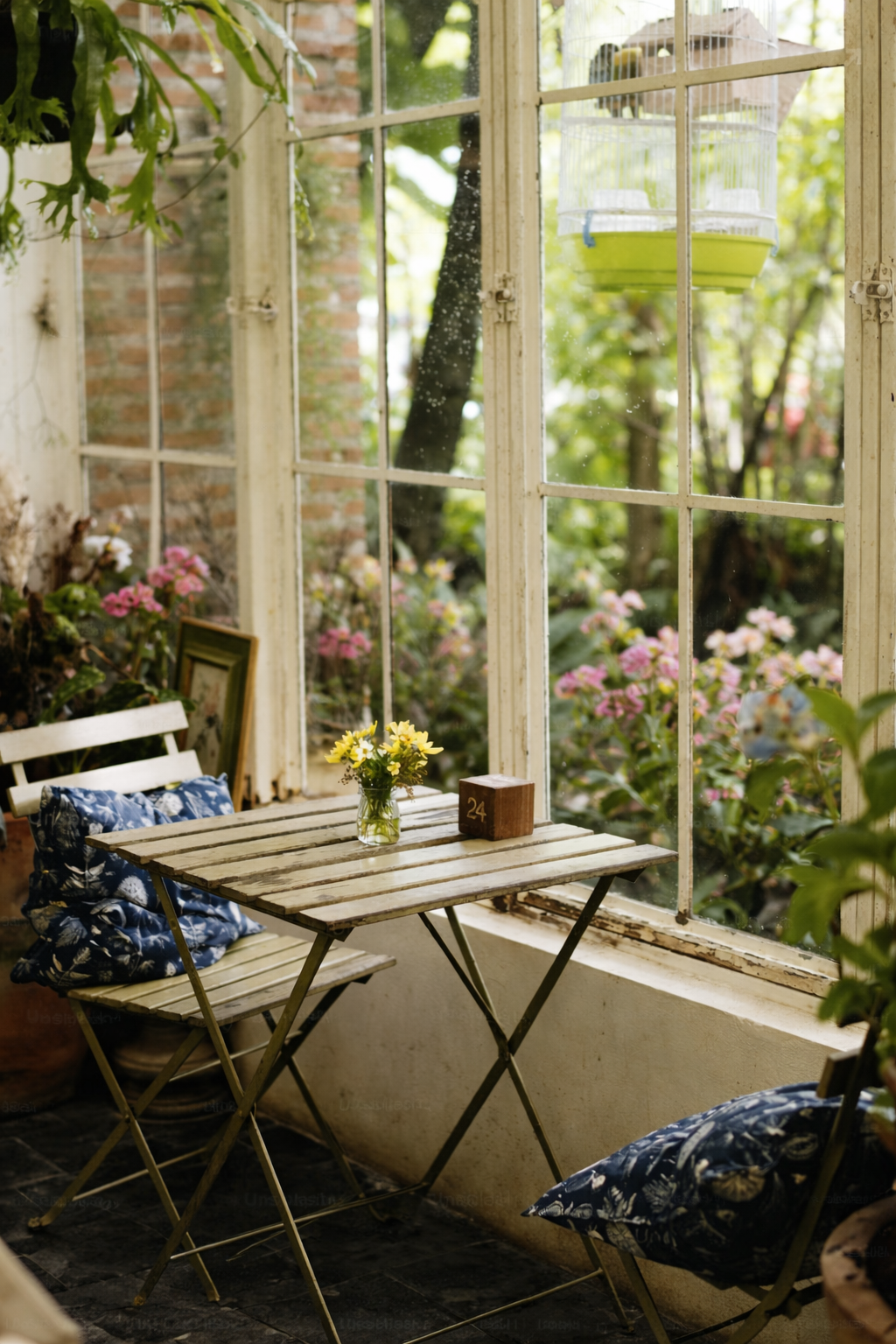
When your interior echoes the outdoor environment—through natural textures, warm materials, and an emphasis on light and openness—the space feels less confined. This is one reason tall windows are so effective in small homes. Tall windows invite in more natural light, and natural light instantly makes a room feel larger and more breathable. Even if the footprint is small, bright spaces feel expansive because the eye isn’t stopped by darkness or heavy boundaries.
Think of natural light as your best “square footage multiplier.” It stretches the visual and emotional space of a room.
Use landscaping to create privacy without closing yourself in
One challenge of opening a small home to the outdoors is privacy. People often assume they need blinds, curtains, or frosted glass to keep their space private—especially in neighborhoods where homes sit close together. But constantly drawing curtains creates a closed-off feeling that can make a small interior feel even smaller.
Where possible, use exterior landscaping for privacy instead. Tall shrubs outside windows and glass doors can create a protective barrier while still allowing sunlight and views. This approach makes the home feel more open because you’re not forced to shut the outside world out every time you want privacy.
Landscaping can act like “living curtains.” It softens the boundary between indoors and outdoors, while also adding beauty and calm. A well-placed hedge, bamboo in a planter, climbing vines on a trellis, or even tall ornamental grasses can give you that sense of seclusion without sacrificing light.
The Bandini House: “a life lived outside as within”
A beautiful inspiration for this concept comes from the Bandini House, designed by Greene and Greene. In that home, each room opened onto a central courtyard, expressing the idea of “a life lived outside as within.”
That philosophy is incredibly relevant to tiny living. When every room has a relationship to the outdoors—through doors, windows, courtyards, or patios—the home stops feeling like a small container and starts feeling like a connected set of spaces.
Most of us don’t have the luxury of a central atrium or courtyard. But the wisdom remains: design your home so that outdoor space feels like an extension of indoor life.
Even if you have only a small patio, balcony, porch, or side yard, you can treat it as part of the home rather than an afterthought.
Face windows and doors toward intentional outdoor beauty
A small space on a small lot feels more open when windows and glass doors face gardens and landscaping intentionally designed to provide pleasing aesthetics and privacy from the outdoors.
This matters because what you see from inside affects how you feel inside. If your window view is a fence, a neighbor’s wall, or cluttered outdoor storage, the space may feel boxed in. But if your window view is greenery—even a narrow strip of garden—it creates depth and visual softness. The outdoors becomes a living “wall art” that changes with the seasons and time of day.
Even simple upgrades can make a huge difference: a garden bed outside a window, potted plants along a walkway, or a small tree positioned in the right place can transform the atmosphere of your home.
Make the neighborhood part of your home
Leveraging the outdoors isn’t limited to your property line. Tiny living works best when you expand your lifestyle outward. Schedule use of a walkable or bikeable neighborhood park as a dining space or remote work station.
This is one of the most underrated strategies for thriving in a small home. When your dining table is also your desk and your desk is also your kitchen counter, life can feel cluttered and compressed. But if you intentionally “move life outside,” even for a few hours a week, you reduce pressure on the interior.
Bring lunch to the park. Work from a shaded bench with Wi-Fi hotspot access. Eat dinner outside when weather allows. These habits create a feeling of spaciousness and balance—without adding a single room.
Build outdoor rooms: pergolas, trellises, benches
Outdoor space becomes far more usable when it feels structured. Pergolas, trellised gateways, benches, and seating areas connect the life of the house to the outside world. They create outdoor “rooms” the same way walls and furniture do indoors.
A pergola can define a dining space. A trellis can create a sense of entry and privacy. A simple bench can turn a side yard into a destination. These features don’t need to be large or expensive—they just need to be intentional.
When outdoor space is designed for living, it stops being “yard” and becomes “home.”
Follow the sun: light is design
Finally, take note of the travel of the sun when making decisions about expanding windows and locating new doors. Natural light will make the space naturally feel larger.
In tiny living, light is everything. Morning sun can energize your kitchen. Afternoon light can make a living room feel warm and inviting. If you’re ever renovating or adjusting layout, orienting windows and doors to maximize sunlight is one of the highest-impact decisions you can make.
At the same time, privacy can still be protected through shrubbery and outdoor screening rather than heavy indoor coverings.
The Greene & Greene philosophy in everyday life
Greene & Greene believed in seamlessly integrating the exterior into their interior designs, emphasizing a strong connection between the building and its natural surroundings. They blurred the lines between indoor and outdoor spaces using large windows, natural light, local materials, and handcrafted details that echoed the environment.
That philosophy is exactly what tiny living needs. Because the goal isn’t to squeeze life into a small footprint—it’s to create a lifestyle that feels open, grounded, and free.
When you let the outdoors become part of your home, tiny living stops being “less.” It becomes more intentional living—with more light, more calm, and more space where it counts.