So, Just How Small Are Micro-Apartments? A Beginner’s Guide to Living Tiny
If you’ve ever looked around your home and thought, “Do I really need all this space?”—you’re going to find micro-apartments pretty fascinating. These compact homes are all about living with less square footage while still making everyday life comfortable, functional, and (surprisingly) stylish.
For some people, micro-living sounds like a challenge. For others, it feels like freedom. Whether you’re trying to cut rent costs, reduce your environmental impact, or simply simplify your life, micro-apartments offer a fresh way to think about “home.” But are they right for you?
Let’s take a closer look.
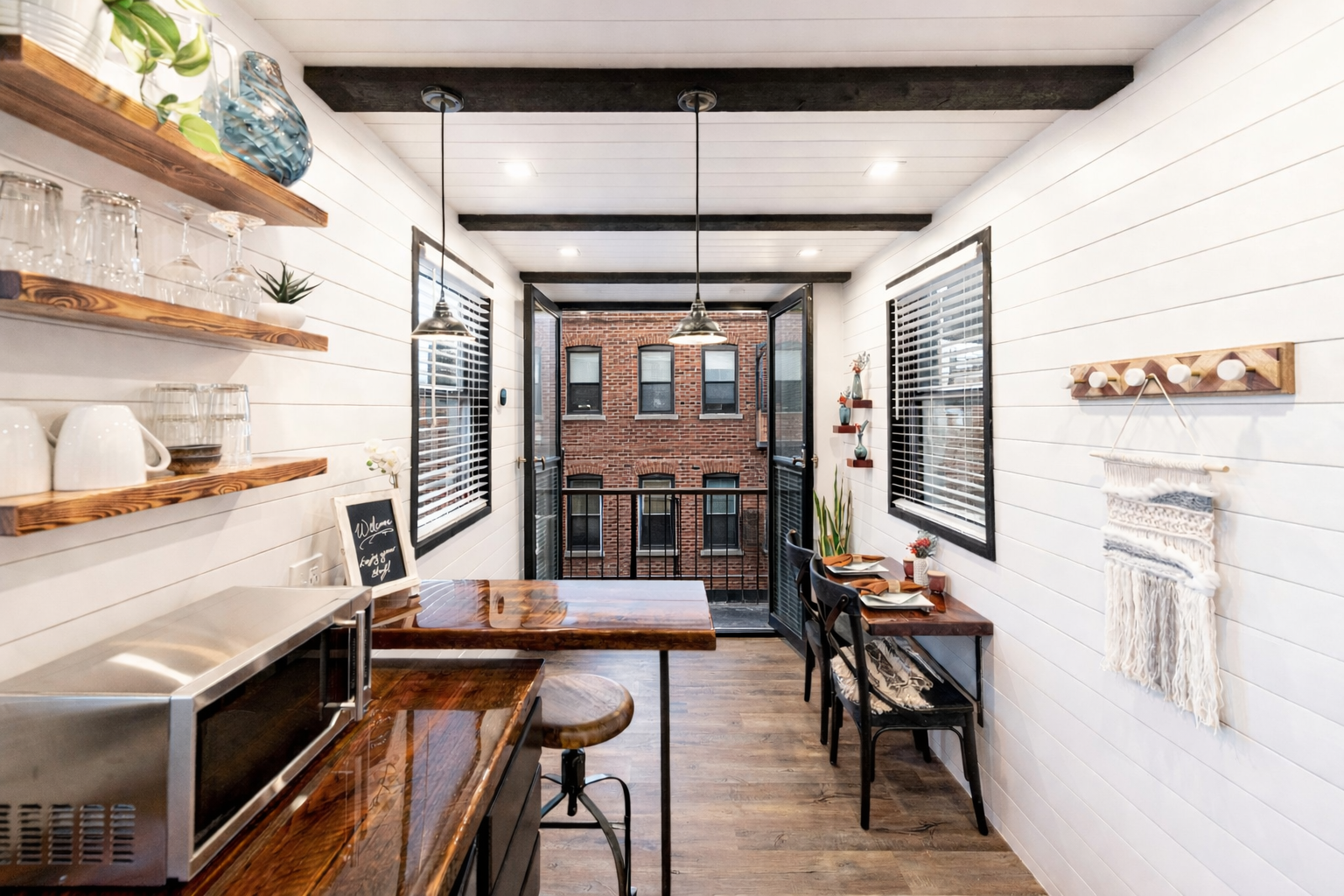
What Is a Micro-Apartment?
Micro-apartments come in different sizes depending on the city, but the concept is consistent: smaller space, smarter design.
In New York City, micro-apartments are usually around 200 to 400 square feet. In other regions, like parts of the Midwest, a micro-apartment might be closer to 450 square feet.
Most micro-apartments include:
One main multi-purpose room (sleeping, lounging, dining—all in one)
A compact kitchen or kitchenette
A bathroom, often without a tub
Small-scale appliances designed to save space
In short: you get what you need to live comfortably—just with fewer extras.
The Cost of Going Small
Here’s something many people don’t expect: smaller doesn’t always mean cheaper.
In high-demand cities like Manhattan, micro-apartments can cost more per square foot than a typical studio or one-bedroom. For example:
In NYC, you might pay $10+ per square foot
In cities like Denver or Austin, it may be closer to $5 per square foot
So even if your overall rent is lower, the space can still be priced at a premium.
Tip: Before signing a lease, compare the cost per square foot to other apartments in the same neighborhood so you know what kind of deal you’re actually getting.
What Do You Get for Your Rent?
A well-designed micro-apartment can feel far more livable than its size suggests. Developers know that micro-living only works when the space is thoughtfully planned.
“Large windows and high ceilings will help a small space feel comfortable,” says David Angers, a home efficiency specialist and content creator for Microtecture.com. Natural light and vertical space help a small apartment feel more open and breathable.
Another perk: many micro-apartment buildings include shared amenities, such as:
lounges or coworking spaces
gyms
rooftop decks
community rooms
These give you places to relax, socialize, or spread out—without needing more space inside your unit.
Where It Gets Tricky
Micro-apartments are efficient, but they do come with trade-offs.
Storage is limited
Furniture needs to fit the space
Hosting guests can be… complicated
It’s not always ideal for families or long-term “settle down” living
To make micro-living work, you’ll need to think creatively. Popular solutions include:
Murphy beds
fold-out desks
nesting tables
drop-leaf counters
As Angers puts it, “You need ‘micro furniture’ that gets out of your way when you’re not using it.”
Micro-living also changes how you use your city. Many people spend more time in cafés, parks, libraries, and shared spaces—so the apartment becomes more of a home base than the center of everything.
Why People Choose Micro-Apartments Anyway
Even with the tight quarters, micro-apartments come with real benefits:
Lower rent and utilities
Heating and cooling a 300-square-foot space is usually much cheaper than maintaining a larger home.
More intentional living
When space is limited, you naturally become more mindful about what you buy and keep.
More experiences, fewer possessions
Instead of spending money filling a larger space, many people choose to spend on travel, dining, events, and city life.
For a lot of micro-livers, that trade-off feels empowering—not restrictive.
Layout Matters (A Lot)
In a micro-apartment, the layout can make or break the experience. The best spaces feel flexible and open because every inch is working hard.
David Angers notes that smart design, combined with tidy habits, can make a space feel larger. “It helps if you’re naturally tidy, but tiny living can be an inspiring teacher,” he says.
Pro tip: Use vertical space as much as possible.
Hollow spaces beneath furniture, such as beds and accent tables
The space above doorways
Over-the-door hooks
Hanging storage for things that would normally be stored on the floor such as shoes
Keeping the floor clear makes the whole space feel larger.
Is Micro-Living Right for You?
“Living in a micro-apartment isn’t just a housing decision—it’s a lifestyle choice,” says Angers.
Before committing, ask yourself:
Where do I see myself in the next year?
Can I live comfortably with fewer belongings?
Am I okay with limited hosting space?
Do I have a clear reason for choosing this lifestyle?
One of the most interesting micro-living stories comes from Felice Cohen, an author and speaker who lived in a 90-square-foot apartment on Manhattan’s Upper West Side for five years. The low rent gave her the flexibility to leave her full-time job and focus on writing.
But it wasn’t effortless.
“I had a panic attack the first night,” she says. “But when I reminded myself why I moved in, I was fine.”
Her advice: start downsizing early.
“Pack what you absolutely need, then take a long, hard look at everything else,” Cohen says.
Preparing for the Move
If you’re seriously considering a micro-apartment, start planning ahead:
Declutter ruthlessly — essentials only
Measure your must-haves — furniture should fit and function
Invest in organization tools — bins, storage ottomans, collapsible pieces
Set expectations — remind yourself of your “why” before move-in day
Final Thoughts
Micro-apartments aren’t for everyone—but for the right person, they can be a smart, freeing way to live. They encourage you to live more intentionally, own less, and focus on what matters most.
Small space, big lifestyle shift—but it can be worth it.
Want to explore this topic further? This resource is a great place to start:
Thinking about going micro? Share your reasons (or your questions) in the comments—we’d love to hear how you’d make 300 square feet feel like home.